
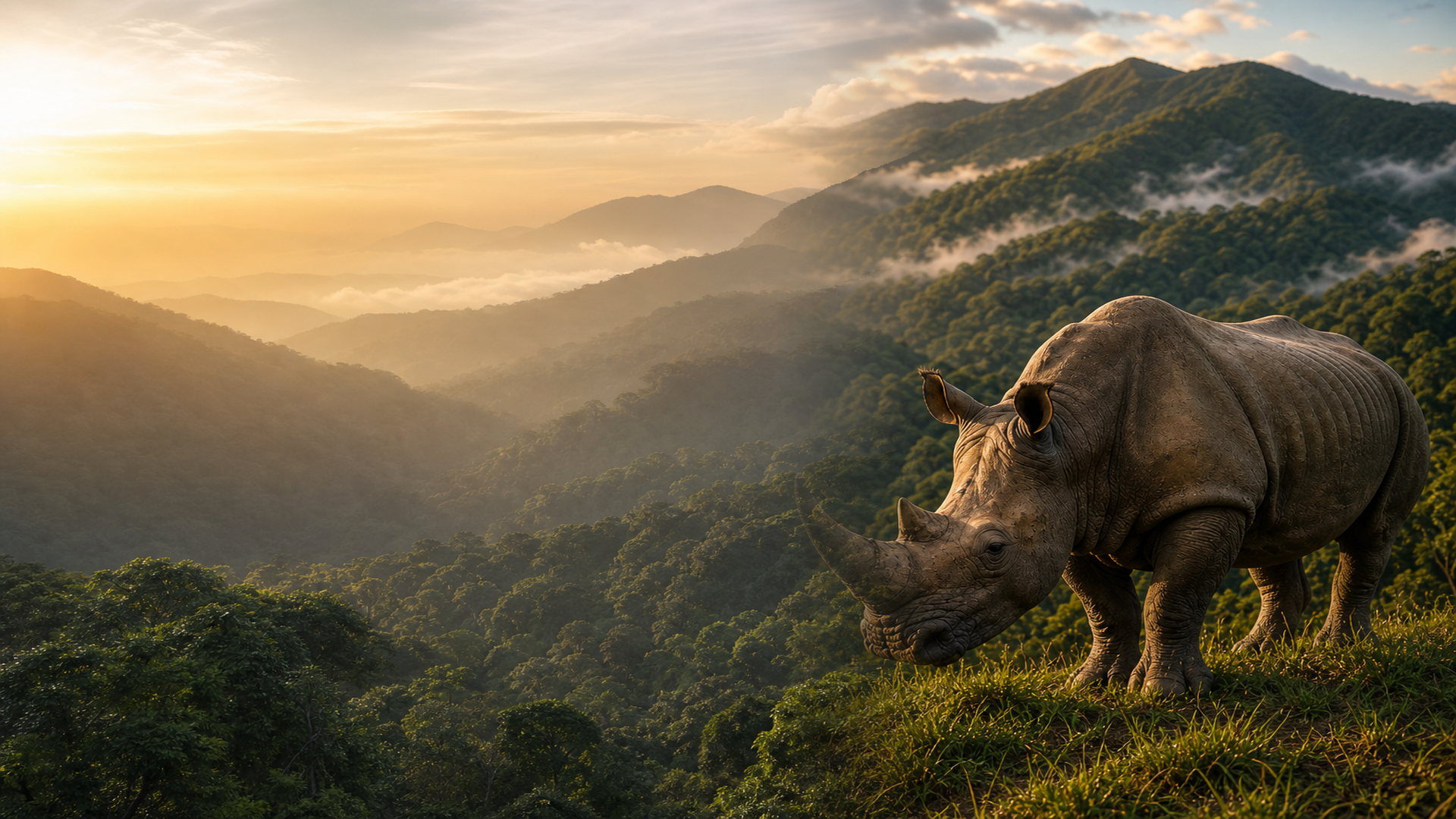
Conserving Kenya’s water towers
Protecting forests. Protecting wildlife. Protecting people.
Rhino Ark works with communities to conserve mountain forests, water catchments and endangered wildlife across Kenya’s critical ecosystems.
Why it matters
Kenya’s mountain forests are water towers
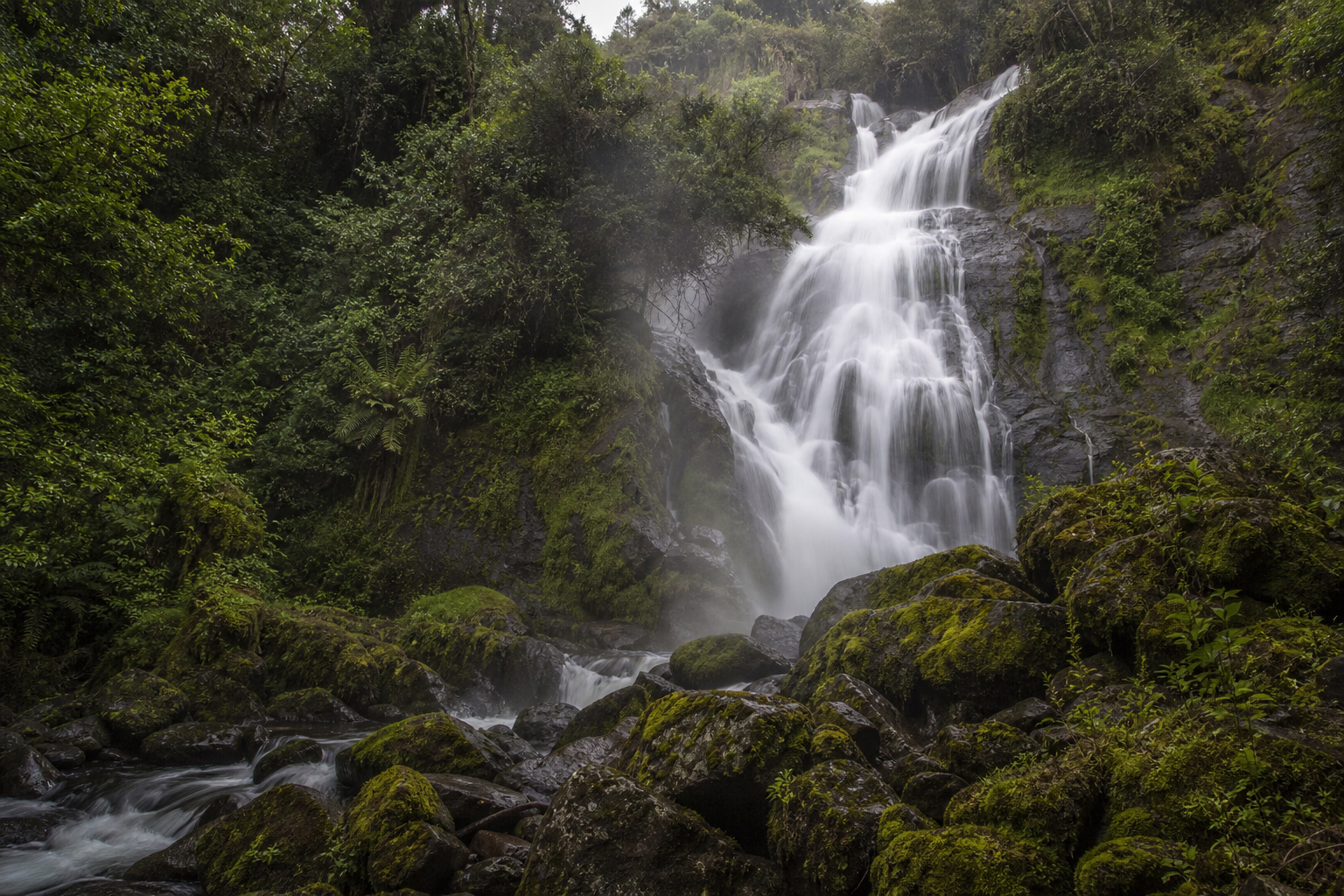
These highland forests store and release water for farms, towns and wildlife. When forests and fence lines hold, communities gain safety and catchments stay alive.
- Water security for millions downstream of mountain catchments
- Safer coexistence where farms meet forest edges
- Habitat for threatened species across connected landscapes
Explore
Pathways into the platform
Work, landscapes, evidence, stories and ways to take part — choose a path.
- Our WorkFence programmes, species recovery and community partnerships
- Where We WorkInteractive map of Kenya’s mountain forest landscapes
- ImpactPublished conservation results across Kenya’s water towers
- StoriesPeople, wildlife and landscapes, chapter by chapter
- KnowledgeReports, research, accounts and conservation publications
- Get InvolvedDonate, partner, volunteer, campaigns and Rhino Charge
- AboutHistory, governance, team and accountability
Where we work
Places we protect
From the Aberdare ranges to Mount Kenya and Kakamega Forest. Open a landscape to see programmes and how to help.
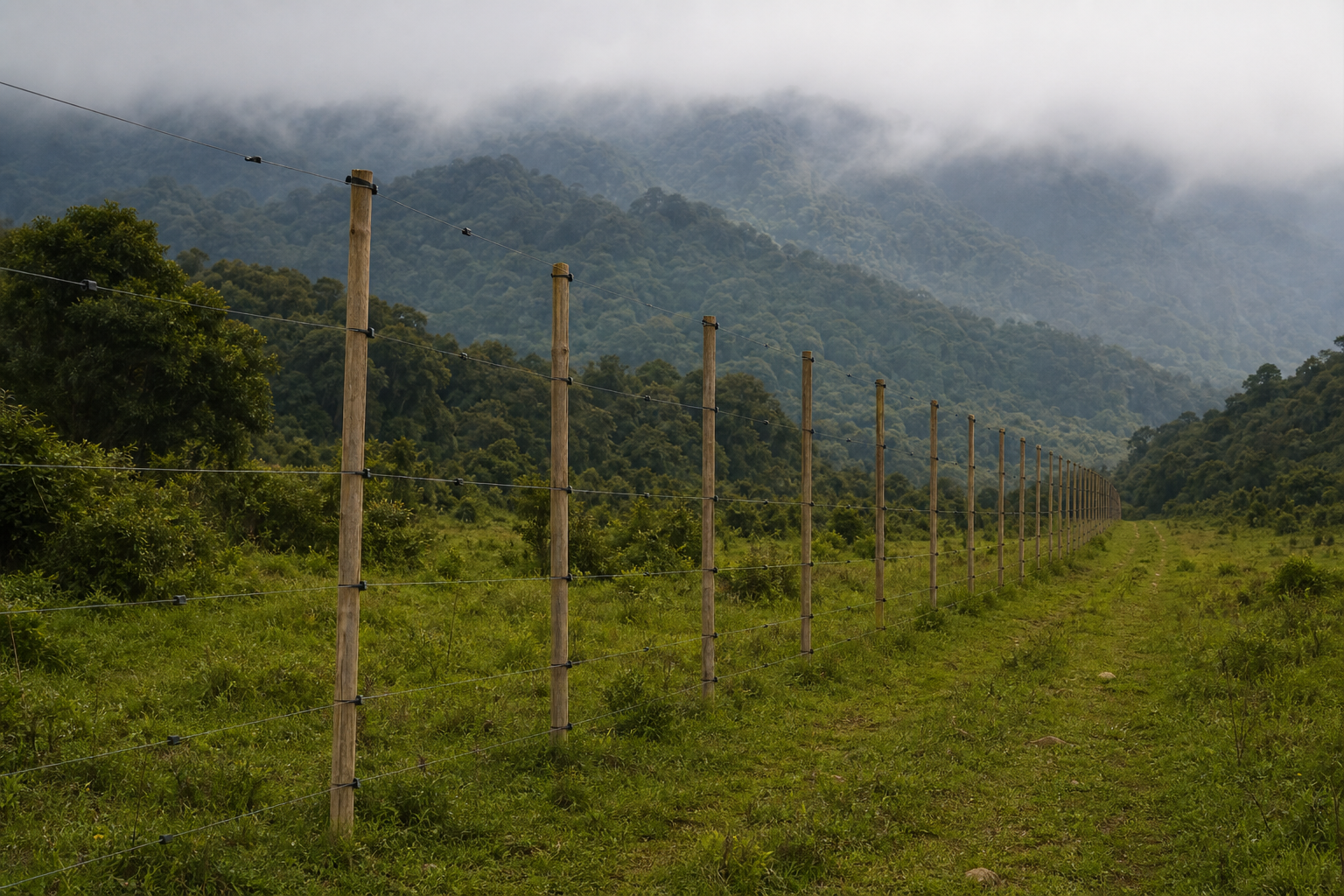
Aberdare Ecosystem
Fence progress and forest recovery across the Aberdare conservation landscape.
Learn more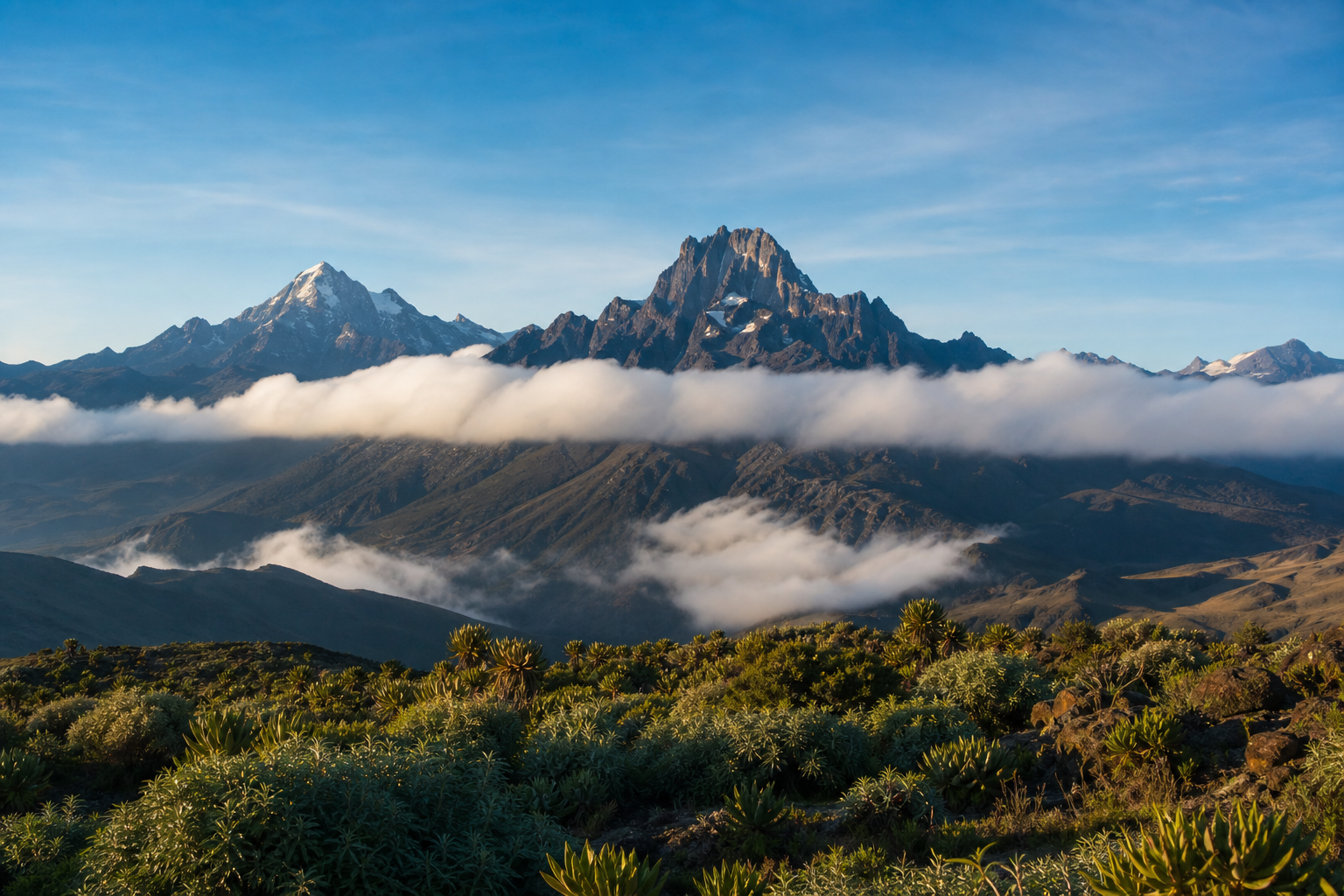
Mount Kenya
Wildlife corridors and water towers supported by conservation fencing.
Learn more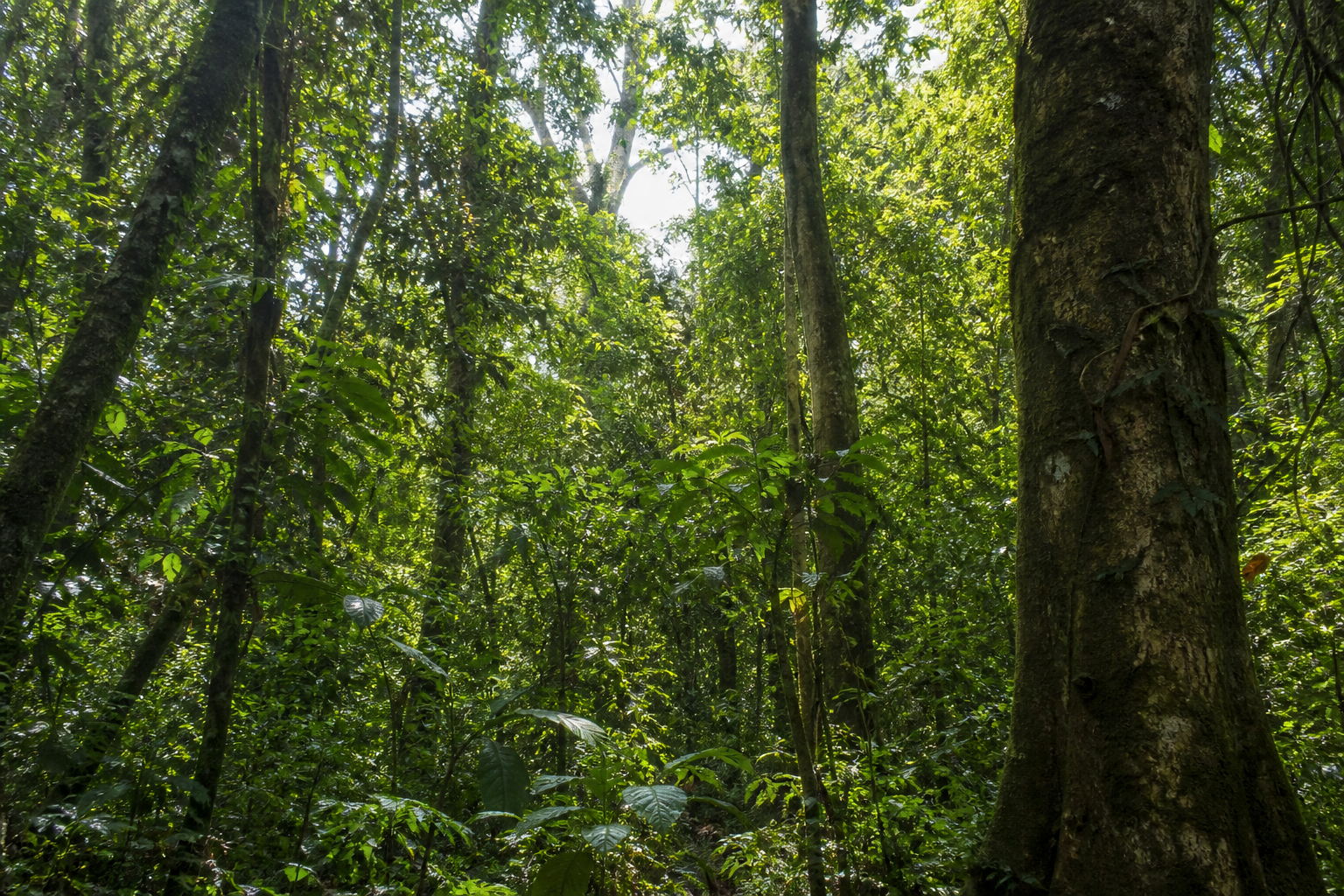
Kakamega Forest
Campaign to fence about 117 kilometres around Kenya’s only tropical rainforest to protect biodiversity and reduce conflict.
Learn more
Our impact
Evidence across Kenya’s mountain forest water towers
To continue to be the trusted partner in advocating, developing and implementing high-impact forest, water catchments and endangered wildlife conservation initiatives that tangibly support adjacent local communities.
Conservation fencing
Electric fences built and maintained (Aberdare 410; Mt. Kenya 316; Kakamega 50; SW Mau 32; Eburu 43)
- 220
Fence attendants
Maintaining Rhino Ark electric fences around the clock
- 21
Vehicles
Supporting Rhino Ark conservation work
- 15
Threatened species
Mammals and birds better protected
- 6
Forest rehabilitation projects
Ongoing restoration programmes
- 2
Wildlife corridors
Established for safe wildlife movement
Human story
People · Aberdares · Aberdare Range
People living along the fence line
Farms along the Aberdare fence line
Fence-line farmers describe safer harvests and children’s ability to study at night. Published community voices from the Aberdares sit beside the 90,000 households figure.
Knowledge & accountability
Reports, accounts and open evidence
Public reports, audited accounts and research that sit behind the numbers you see on this site.
Story map
Story map: Kenya’s water towers
Follow Rhino Ark’s work across mountain forests, from the founding Aberdare fence to Mount Kenya, Kakamega, Mau and Eburu. Then open the live map to explore each landscape.
Films
Watch the work in the field
Documentary celebrating 30 years of Rhino Ark (2018)
History of the Rhino Ark Aberdare Electric Fence
Wildfires in the Aberdares National Park, Kenya
Take action
Support conservation that communities can feel
Donate to programmes, explore partnerships, or join Rhino Charge — the fundraising challenge that helps keep fences and forests standing.
Rhino Charge is Rhino Ark’s flagship fundraising motorsport challenge. Since 1989 it has raised billions of Kenya shillings to protect mountain forests and water towers, including the Aberdare Range, Mount Kenya, the Mau Forest Complex and Kakamega Forest. Stringent environmental rules minimise impact at each venue, including refuse sorting and recycling.
Science-informed
Programmes are guided by field evidence, including fence impact studies published by Rhino Ark.
Community-rooted
Initiatives are designed to tangibly support adjacent local communities.
Trusted partner
Rhino Ark works as a partner advocating and implementing high-impact conservation.
For water towers
A holistic approach to mountain forest ecosystems that comprise Kenya’s water towers.