Stories
Environmental stories from the water towers
Follow the path from environmental problem to place, action, impact and how you can take part - grounded in Rhino Ark Canopy materials and published programmes.
6 stories matching filters
People · Aberdares
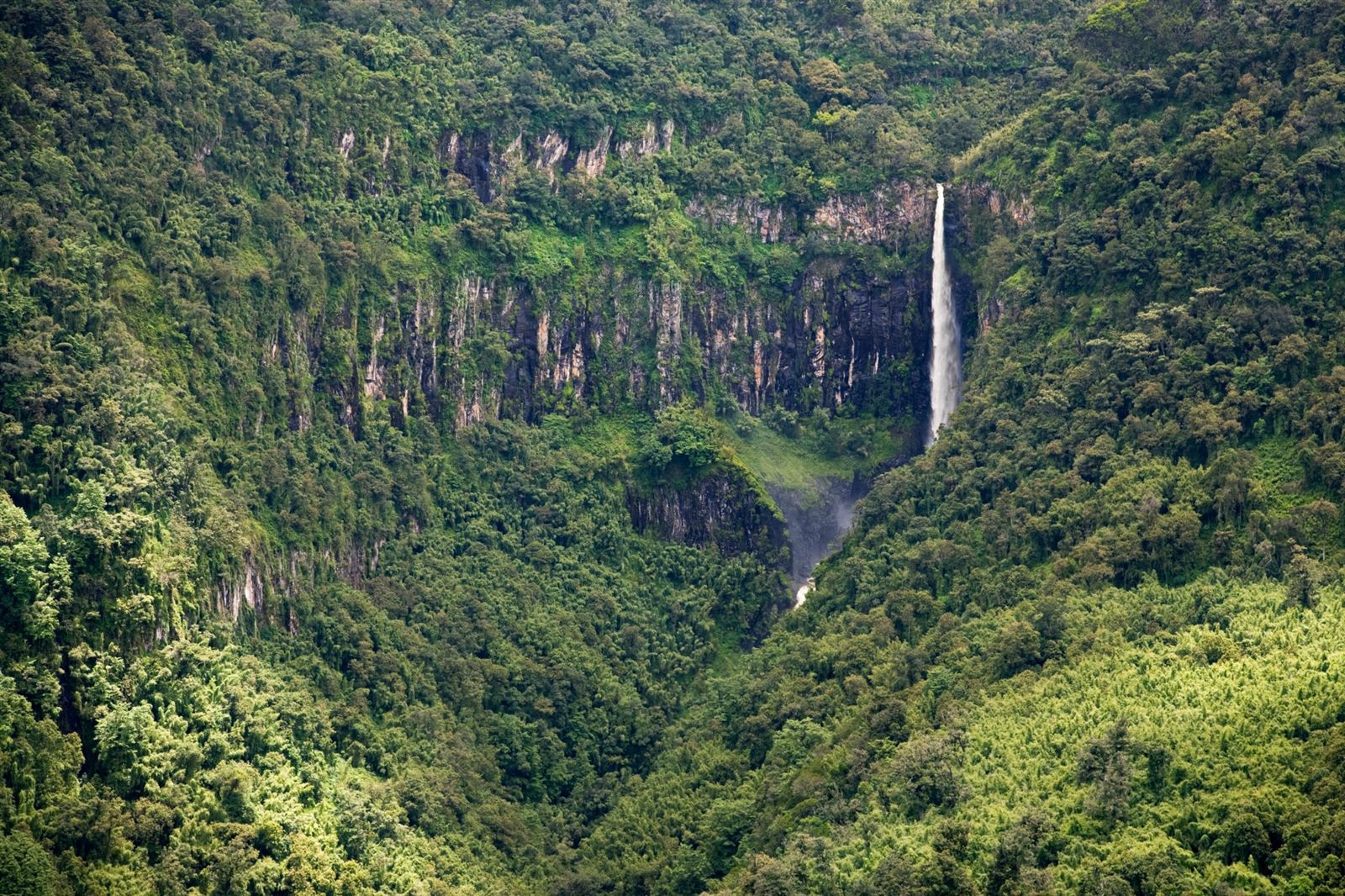
Farms along the Aberdare fence line
Catherine Kinyanjui grew up counting losses, not homework: nine cows and 30 goats taken in a single night before any fence line existed, and nights spent watching for wildlife instead of studying.
Read story →
Education · Aberdares
Schooling beside a protected water tower
When elephants owned the night, children missed study time and parents chose quick, cheap harvests over longer-term farming plans.
Read story →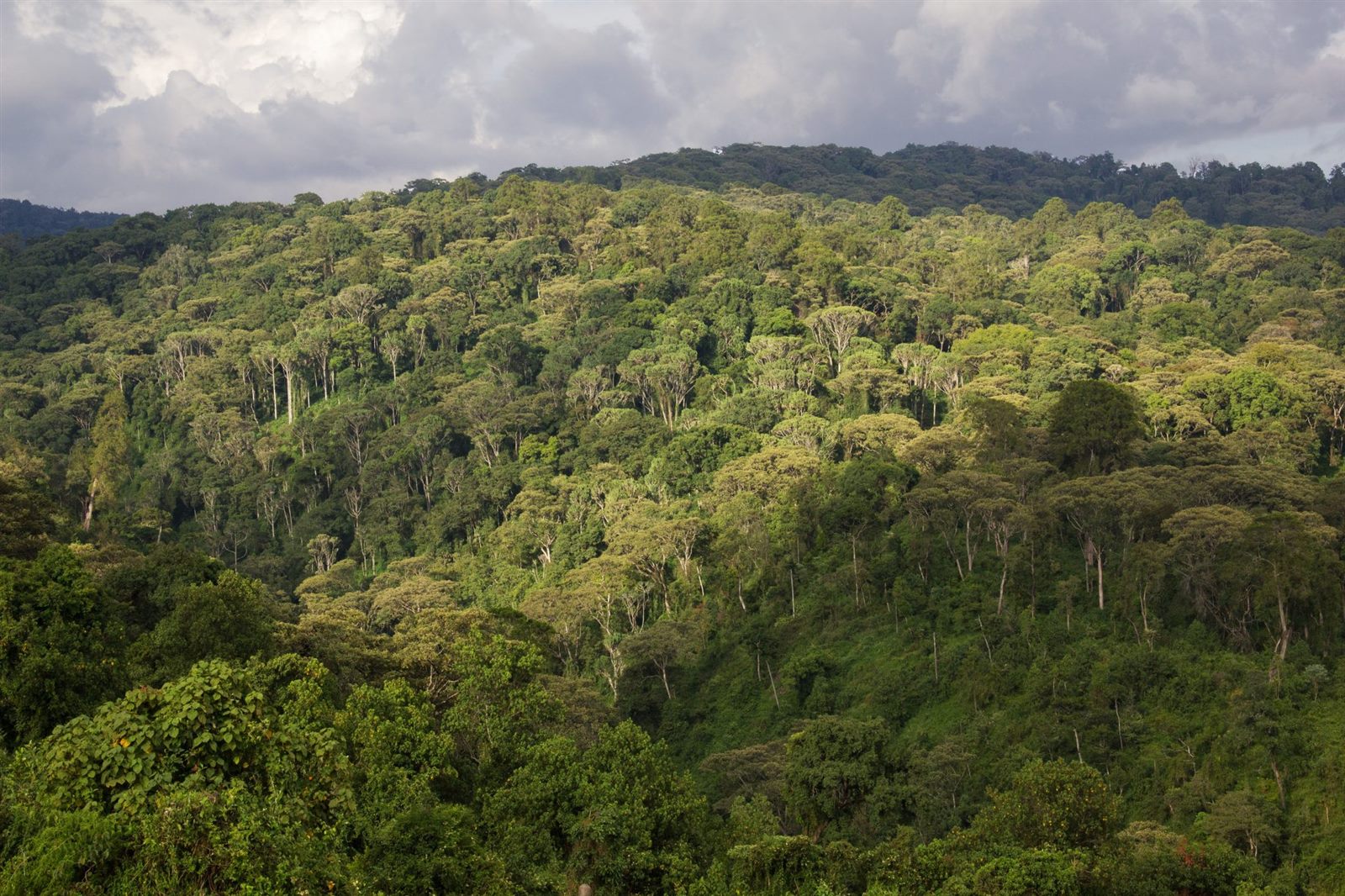
Partnership · Eburu
Public-private fencing at Eburu
Neighbours around Eburu wanted elephants out of shambas without cutting the forest off from corridors toward Lake Naivasha.
Read story →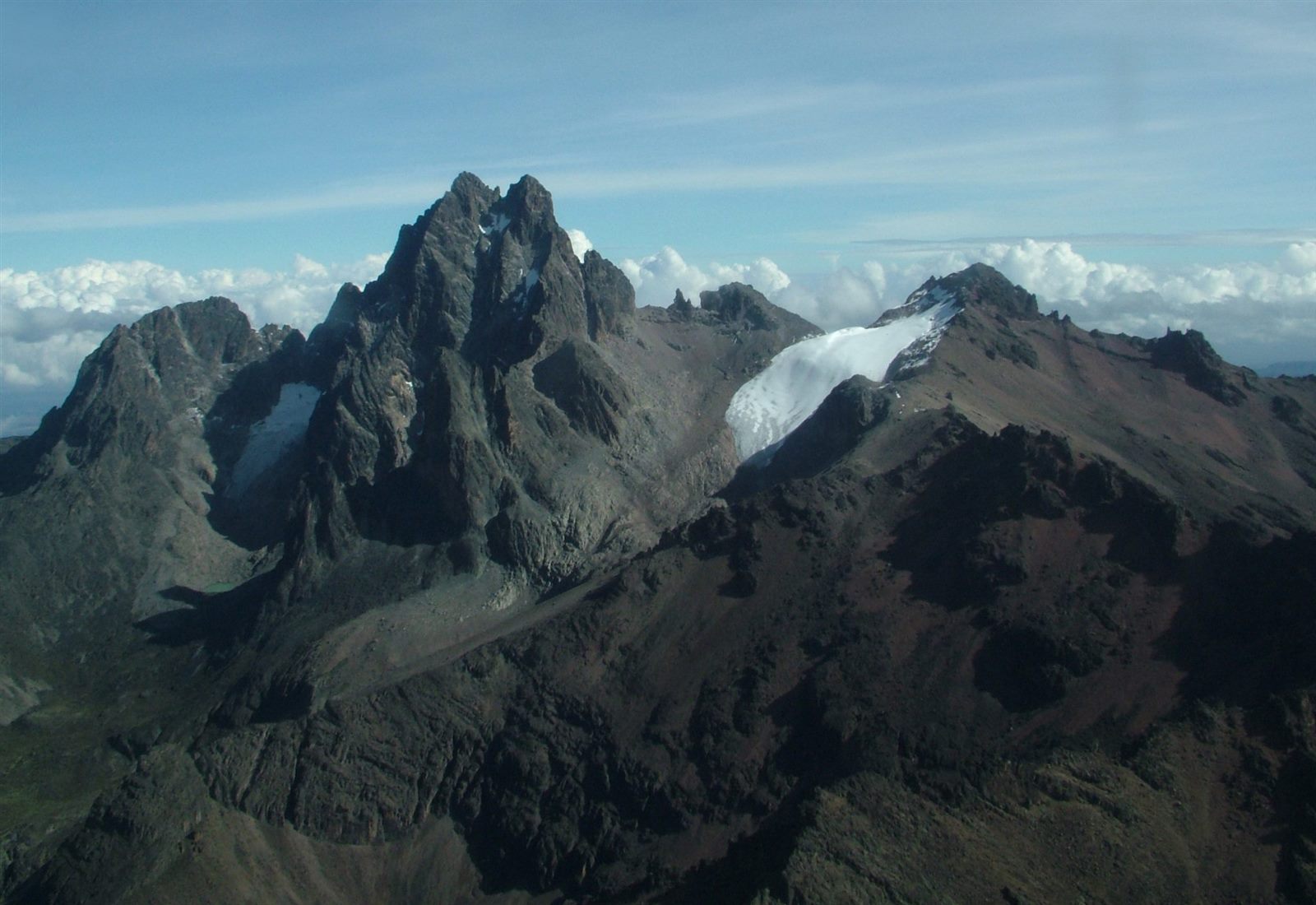
Water tower · Mount Kenya
Harmony on the Mount Kenya fence line
Dense farms press against UNESCO World Heritage forests. Crop raids by elephants and other wildlife heighten tension, while unsustainable forest use and hotter, drier seasons raise fire risk on the mountain.
Read story →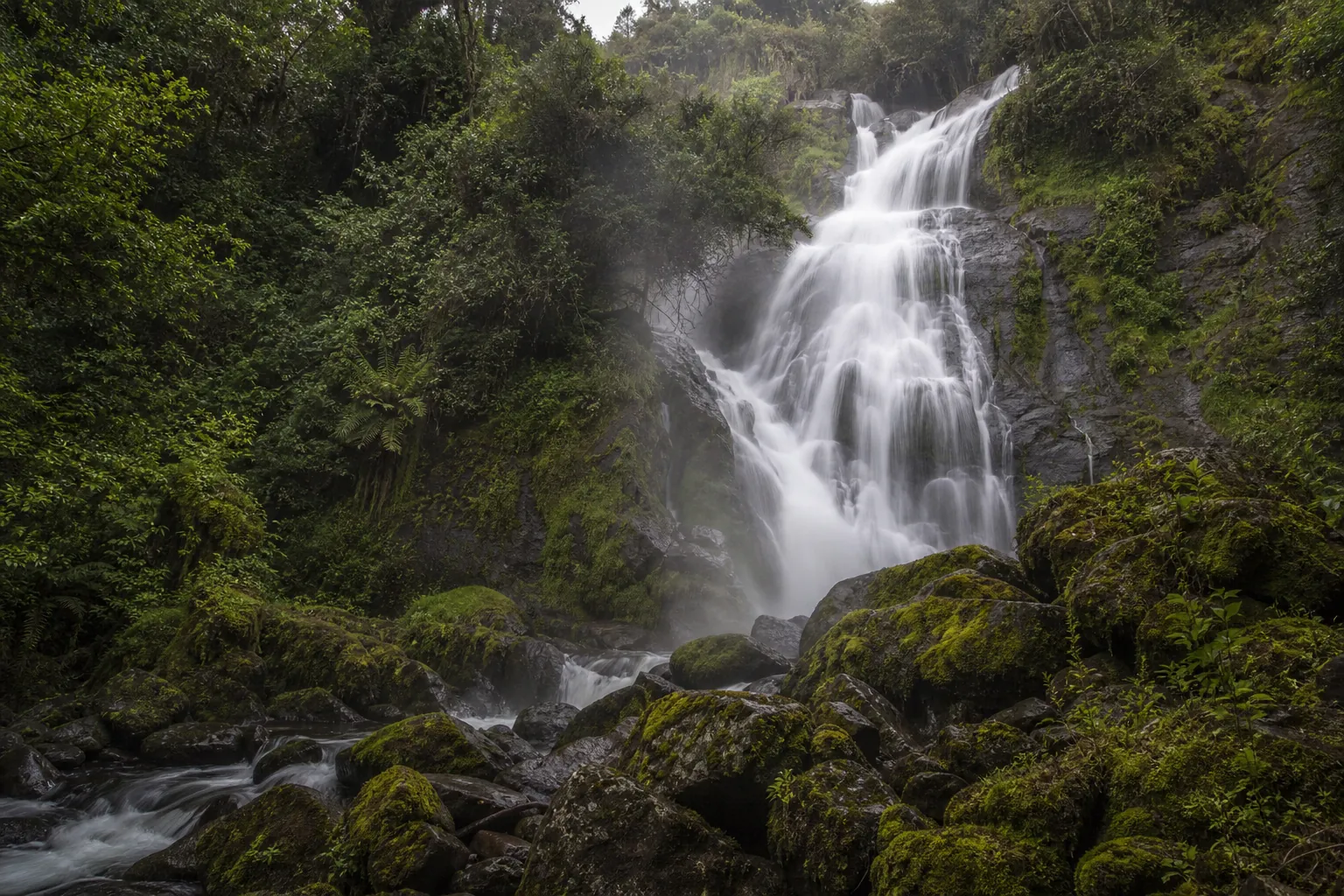
Catchment · South Western Mau
Holding the South Western Mau cut line
South Western Mau - the largest Mau Forest Complex block - feeds the Sondu Miriu toward Lake Victoria. Excisions, encroachment, logging, charcoal and hunting opened an eastern ‘cut line’ roughly 45 km long where rangers are thinly spread.
Read story →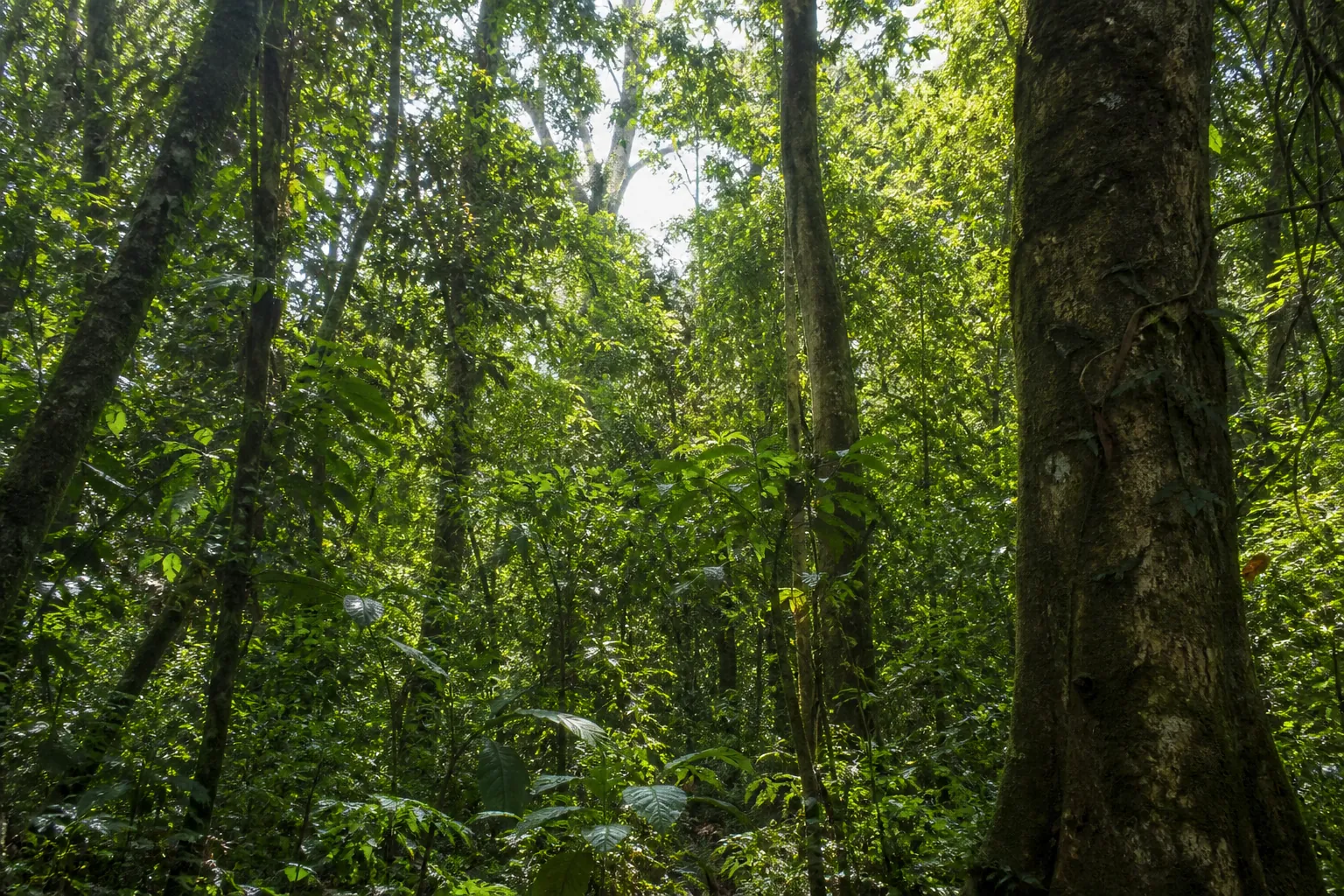
Biodiversity · Kakamega
Kenya’s last Guineo-Congolian rainforest
Kakamega is Kenya’s only tropical rainforest remnant. Dense rural populations depend on firewood, poles and medicines; illegal logging has shrunk indigenous cover and raised human-wildlife tension.
Read story →